How to post on LinkedIn without being cringe
October 7, 2026 · Bradley Jacobs
Get your free LinkedIn positioning in 60 seconds — drop your handle:
How do you post on LinkedIn without being cringe? Share what you did and what you learned, not what you want people to think of you. Almost every cringe post falls into one of three buckets: ego (look at me, come work with me), preaching (here's what you should do), or generic AI slop. Write in the first person, put one real specific detail in, end on the lesson instead of a pitch, and then post it even if you're nervous. Most people are paying a lot less attention than you think.
When I run LinkedIn workshops, I always ask what words come to mind when people think about posting on LinkedIn. Slop, ego, inauthentic, algorithms we can't control. And cringey. That one comes up pretty much every time.
Mylance is a LinkedIn content system that turns what you know and do into LinkedIn posts that sound like you.
Is posting on LinkedIn cringe?
No. Posting on LinkedIn isn't cringe, but some kinds of posts are, and they're easy to spot once you know the pattern.
Here's what people actually mean when they say cringe:
- Ego. Look at me, come work with me, I'm so amazing. The post is really about how you want to be seen.
- Preaching. You should build your company like this. You should grow your business like this. Nobody likes to be preached at. None of us.
- Slop. If you ask AI to write a post on the best marketing strategies for startups in 2026, you're going to get a bunch of slop nobody cares about.
If your post isn't doing any of those three things, it's probably not cringe. It's just a post. You're the only one making it a big deal.
What makes a LinkedIn post feel cringe?
A post feels cringe when it's about you looking good instead of about something the reader can actually use.
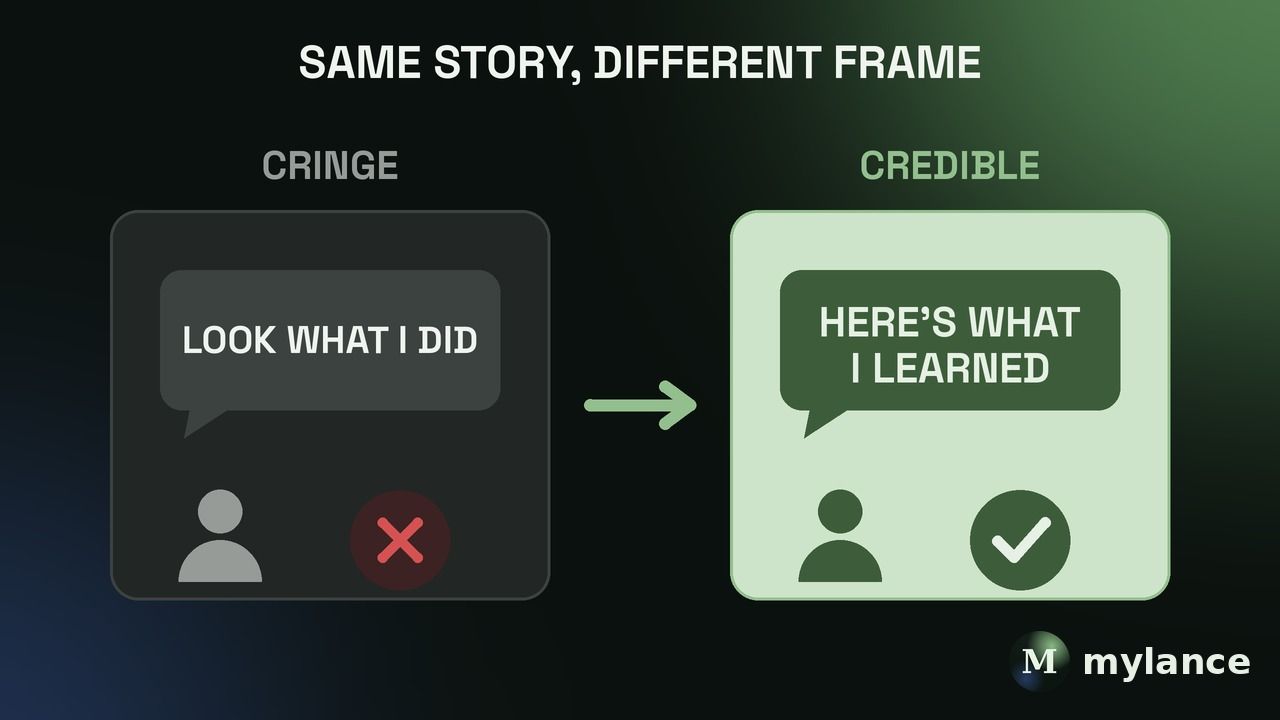
The fix is a subtle nuance, and it's mostly one word. It's I versus you. "I launched this market, here's what I learned" is you sharing your own experience. "When you launch a market, here's what you should do" is preaching. Same information. Totally different feel.
It's kind of counterintuitive. You aren't teaching someone directly. You're teaching them through what you've seen, what you've learned, and the mistakes you made. Mistakes are great, by the way. A real screw up with a real lesson reads as honest, not weak.
One more thing that helps: give the team credit. I didn't run Uber by myself, I can guarantee you that. So when I write about it, it's "here's how we won," not "I built this, I built that, I did this."
How do you share a win on LinkedIn without bragging?
Tell the story of what actually happened, include the specific details, and end on the lesson instead of on yourself.
My best example is a post about the early Uber days. Uber and Lyft launched Raleigh, North Carolina on the same day. Six months later, Uber had 90% market share. I was on that launch team, and the post walks through four specific things we did to win. It ends with a lesson, not a pitch: you don't need to be first, but you need to be focused on what matters most.
Nowhere in that post do I say "I'm a fractional COO, please hire me." It got about 700,000 impressions and 22 people reached out wanting to talk. I'll totally admit it's an outlier. It's the most viral post I've ever written. But the reason it worked is the same reason it didn't feel like bragging.
When I show that post in workshops and ask if it feels cringe, people say no. They say it's behind the scenes, there's lots of detail and data, and it makes them think about their own business. You can't go get that story anywhere else. That's what makes a win feel like value instead of a humblebrag.
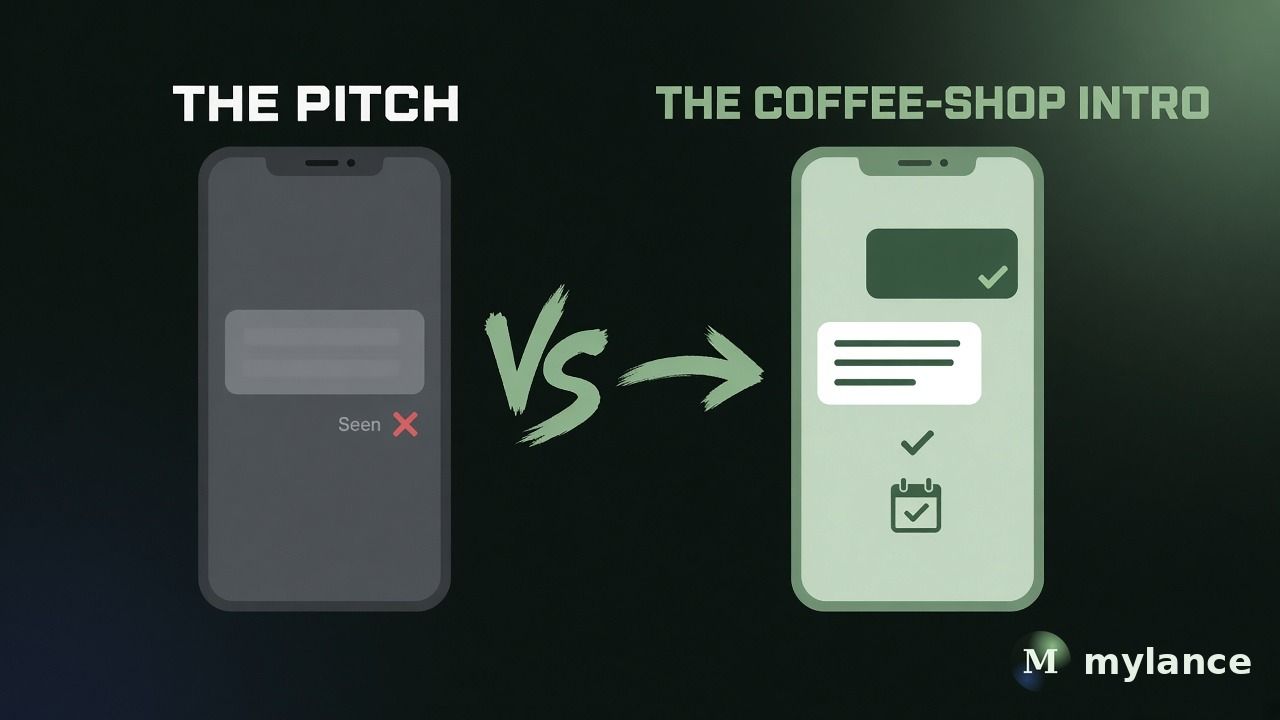
Your pitch belongs on your profile. Your posts don't need to do that job.
Why does posting on LinkedIn feel so scary?
Because you're putting yourself out there, which means anybody could reject you, anybody could judge you, anybody could tell you that you suck.
That risk is real with anything online, and it doesn't feel good when someone says something not nice. But our minds love to run the worst case. It won't be interesting. Everyone will hate it. They'll think it's stupid. Those are all stories, and almost none of them are true.
The reality is people aren't overly concerned with your LinkedIn presence. Nobody is sitting there wondering whether you used a tool, hired a writer, or wrote it yourself. Truly, nobody cares. And I mean that in the nicest way.
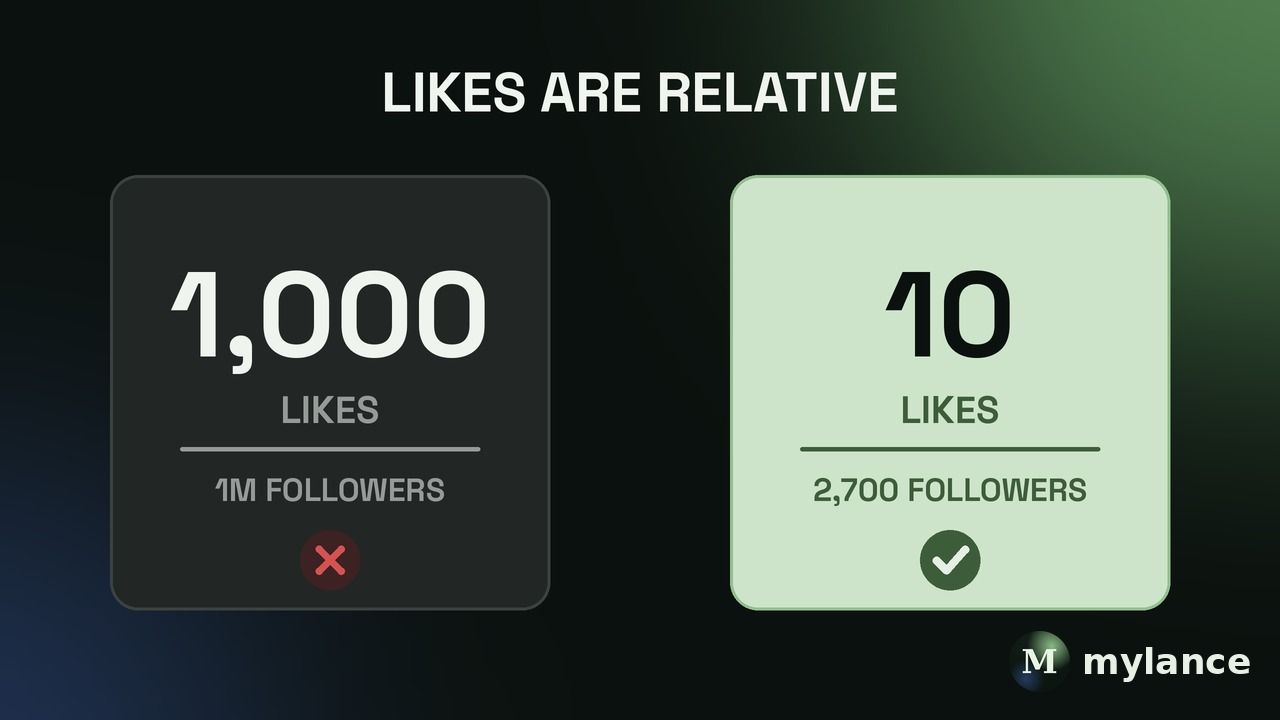
Also, way fewer people see each post than you think. If you have 5,000 followers, they are not all seeing every post. That's not how the algorithm works. Even if you post three times a week, most of your audience probably sees you once a week, maybe once every two weeks. So it's not noise, and it's not as public as it feels.
What should you do if you're scared to post on LinkedIn?
Post anyway, and let the fear come along for the ride.
The fear is normal and it's not going to go away on day one. So you kind of just hold it. Yep, I'm scared. Or, I feel like an imposter. And I'm going to post anyway. It gets a lot quieter over time, but only after you've hit publish a bunch of times.
And if someone does poke holes in what you wrote, that's not the disaster it feels like. That's feedback. You get to improve your message from it. I'm not going to pretend my own website is perfect either. It's far from it.
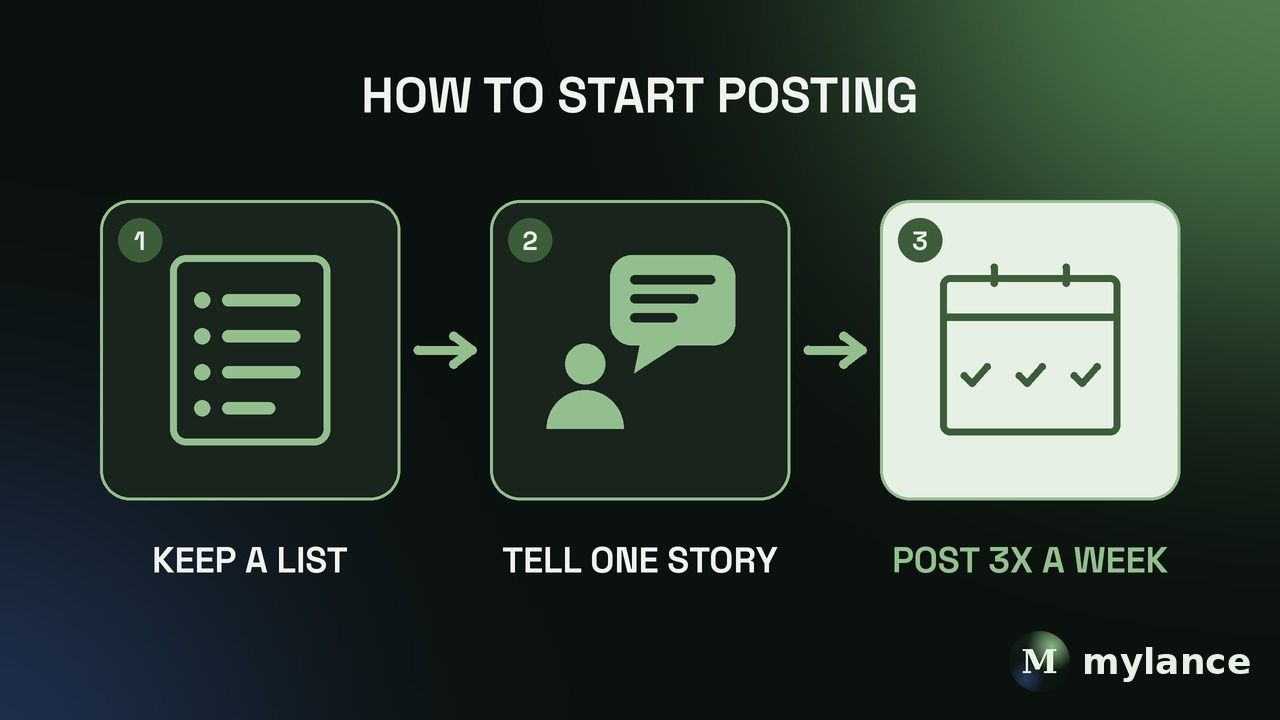
If you want somewhere easy to start, I wrote a simple plan in how to start posting on LinkedIn.
How do you check if your LinkedIn post is cringe before you post it?
Read it back and ask four quick questions.
- Is it mostly "I did, I learned" or mostly "you should"? Flip the you shoulds.
- Is there one specific detail in there? A number, a city, a mistake, something that actually happened.
- Does it end on a lesson or on a pitch? Cut the pitch.
- Could anyone have written this, or only you? If anyone could have, it's probably slop.
If it passes those four, post it. If it reads like AI wrote it, here's why that happens: why your LinkedIn posts sound like AI.
FAQ
Is it cringe to post your wins on LinkedIn?
Not if you share how it happened and what you learned. A win becomes cringe when the whole point is "look at me." Give the team credit, add the specific details, and end on the lesson.
Is it cringe to post on LinkedIn every day?
No. I've posted every day for over six years and grown to about 26,000 followers, all organic. Most of your followers won't see every post anyway. Three times a week is plenty for most business owners.
Should I worry about what coworkers or friends think of my LinkedIn posts?
Not much. They're far less focused on your LinkedIn than you are, and they aren't who you're writing for. Write for the people you want to help.
Is using AI to write LinkedIn posts cringe?
Only when it reads like AI. Generic prompts get generic slop. Starting from your own stories, notes, and real numbers is what keeps a post sounding like you, whatever tool you use.
Bottom line
Posting on LinkedIn isn't cringe. Ego, preaching, and slop are. Share what happened and what you learned, give the specific detail, keep the pitch on your profile, and post it even when the little voice says don't. The people who matter will just see someone who knows their stuff.
Author: Bradley Jacobs. Published October 7, 2026. Updated October 7, 2026.