How to build authority in your niche with LinkedIn content
October 29, 2026 · Bradley Jacobs

Get your free LinkedIn positioning in 60 seconds — drop your handle:
You build authority in your niche on LinkedIn by sharing what you actually know and do, in specific detail, on a steady schedule, for long enough that people start to recognize how you think. That's it. No viral posts required. No big following required. The people who matter in your niche need to see, over and over, that you understand their problems better than most.
I've posted on LinkedIn nearly every day for about six years. I have around 26,000 followers, all organic. Most of what I know about authority came from getting this wrong for a while first, so here's the version I wish someone had given me.
This is for business owners whose own credibility helps people choose the business: agency owners, coaches, advisors, fractional leaders, people running a practice. If trust in you is part of why customers buy, this applies.
What does authority in a niche actually mean?
Authority isn't a follower count. It's when the right people hear your name and think "that person knows this stuff."
It shows up in small ways. Someone mentions your post on a call. A peer tags you when a question in your area comes up. A prospect says they've been reading you for months, even though they never liked a single post. That last one happens to me all the time.
You can't fake it with a polished bio. You earn it by showing your thinking in public, again and again, until people have seen enough to trust it.
How do you create content that builds authority in a niche?
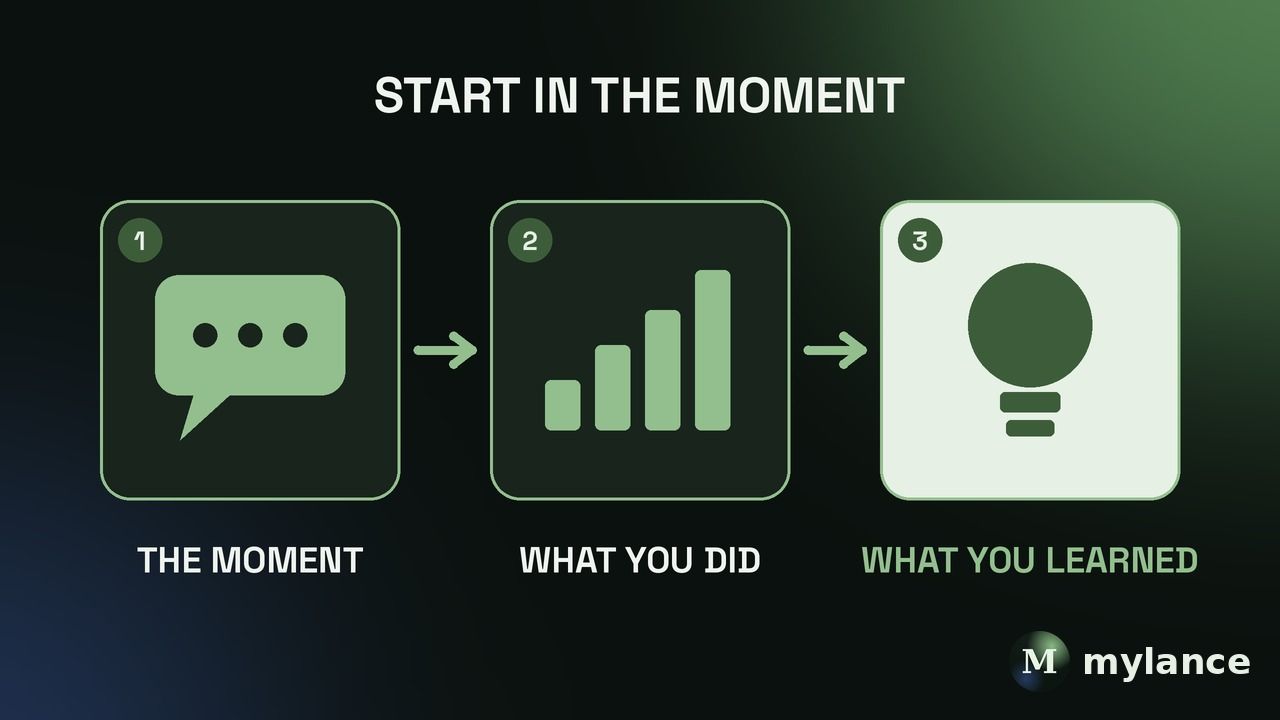
Start with what you already have. You don't need to invent ideas. You need to notice the ones that come up in your work every week.
Good raw material looks like this:
- A question a customer asked you this week, and how you answered it
- A mistake you see people in your niche make over and over
- A decision you made recently and why
- Something you believe that most people in your space don't
- A before and after from real work, with the details you're allowed to share
Then write it the way you'd say it to a peer over coffee. First person. One point per post. One real detail that only you would know.
That last part matters most. If a stranger could write the same post after five minutes on Google, it won't build authority. It'll just add noise. The specific number, the named situation, the thing you saw with your own eyes, that's what makes someone think "this person has done it."
Why do specific posts build more authority than general advice?
Because general advice is everywhere and it all sounds the same. "Consistency is key." "Know your audience." Nobody remembers who said it.
Specific posts prove experience. "Last month a client asked me why their numbers dropped in Q3, and here's the thing nobody had told them" tells the reader you're in the room doing the work. That's the trust signal.
Specific posts also attract the right people and quietly filter out the wrong ones. When you write about the exact problems your best customers have, those are the people who keep reading.
What does a post that builds authority actually look like?
Here's a real one of mine. In April 2014, Uber and Lyft launched in Raleigh on the same day. I was on Uber's local team there, and a few years ago I wrote about how that launch played out.
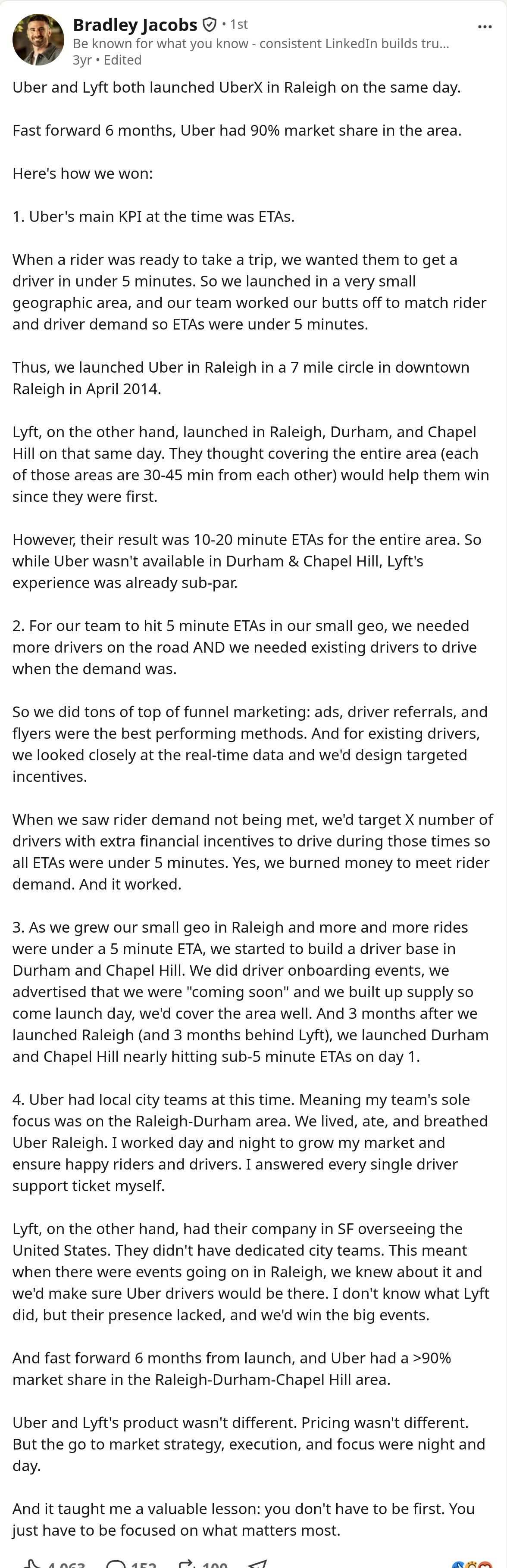
My Uber vs. Lyft post. See it on LinkedIn.
It got 4,063 reactions, 152 comments and 100 reposts. It also got me invited to speak on a Twitter Space as a go-to-market expert.
Here's why it worked:
- Only I could tell it. I was there. I answered every driver support ticket myself. You can't Google that.
- Real details. A 7-mile circle in downtown Raleigh to keep ETAs under 5 minutes, while Lyft covered three cities with 10 to 20 minute ETAs. Over 90% market share six months later.
- A clear contrast. Same launch day, same product, same pricing. Very different strategy and focus.
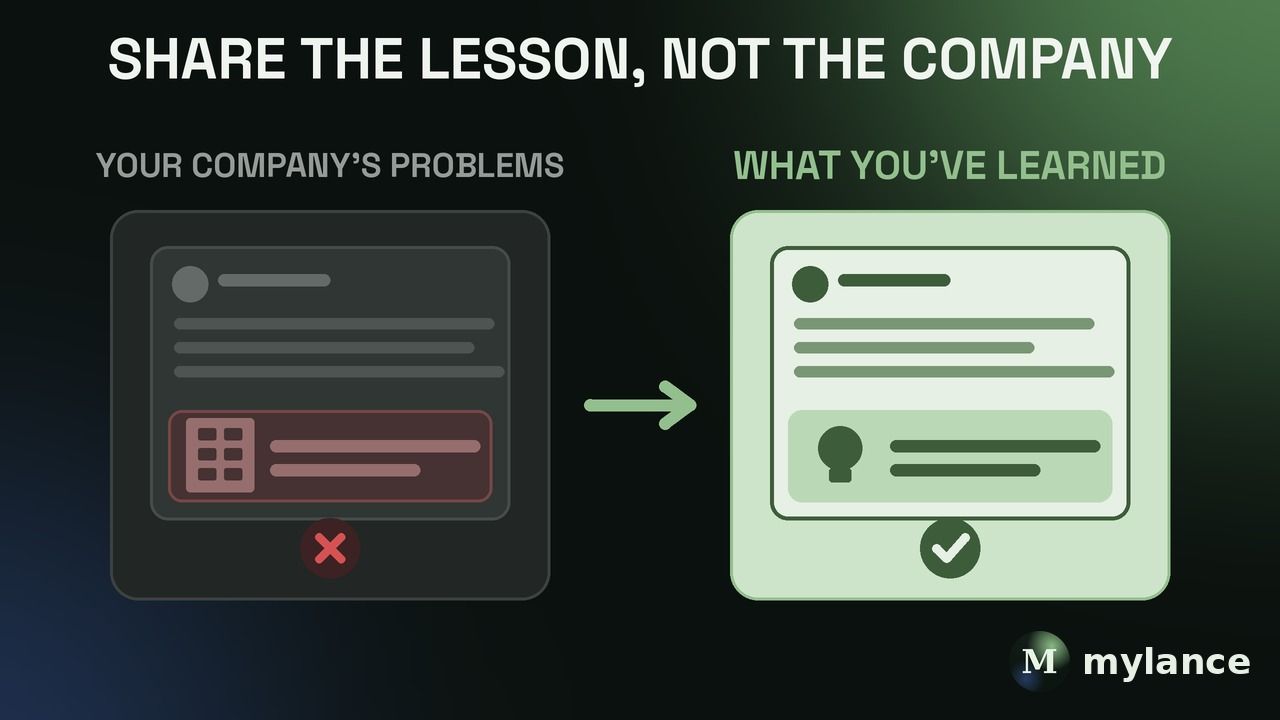
- A lesson bigger than the story. You don't have to be first. You just have to be focused on what matters most. That applies to almost any business, and it's why people saw me as someone who knows go-to-market, not just someone with an Uber story.
You can do the same with a story from your own work:
- Pick a moment where you made a call other people in your space didn't.
- Write down the specifics: the numbers, the place, what you did yourself.
- Put the other approach next to yours so the reader sees the difference.
- End with the one lesson someone outside your industry could use.
Not every post will hit 4,000 reactions, and that's not the point. The point is people finish reading and know how you think.
How do you establish authority in your niche if you're not well known yet?
Everyone starts with a small audience. That's fine. Authority in a niche doesn't need a big audience. It needs the right small one.
A few things that help early on:
- Pick a lane and stay in it. If you post about ten different topics, nobody knows what you're the person for. Pick the two or three things you most want to be known for and keep coming back to them.
- Post on a schedule you can keep. Three times a week is the default I teach. Your followers don't see every post, so three times a week for you feels more like once a week for them.
- Give it time. Judge it over a few months, not a few posts. One quiet post tells you almost nothing.
- Show up in other people's comments. Thoughtful comments on posts in your niche put your thinking in front of people who don't follow you yet.
What should you post to build authority on LinkedIn?
Mix a few types so it doesn't get repetitive:
- Lessons from real work. What happened, what you learned, what you'd do differently.
- Opinions. Where you disagree with common advice in your field, and why.
- How you do things. Your process, your checklist, how you make a call. People trust what they can see.
- Stories about customers. With permission and without names when needed. The problem, what you noticed, what changed.
- Personal moments that connect to your work. Not life updates for their own sake, but the moments that shaped how you work.
You don't need to share secrets. Sharing how you think doesn't make people do it themselves. It makes them trust you to do it.
How long does it take to build authority with LinkedIn content?
Longer than most people want. Think months, not weeks.
The early posts feel like talking to an empty room. Then one day someone you've never met mentions something you wrote six weeks ago. That's usually the first sign it's working.
The biggest reason people don't get there isn't bad writing. It's stopping. They post for three weeks, see small numbers, and decide LinkedIn doesn't work for them. The ones who build real authority are mostly the ones who kept going.
What gets in the way of building authority?
Usually it's one of these:
- Sounding like everyone else. If you use AI and paste whatever it gives you, it'll sound generic, and generic doesn't build trust. Use AI as a helper, then make sure the post sounds like you.
- Waiting for perfect. Done beats perfect. Ship the clear version and edit the next one.
- Not knowing what to say. This is the big one. You know a ton, but turning it into posts feels like a second job.
- Running out of time. Running a business comes first. Content slides.
How do you stay consistent when you're busy running a business?
Make it smaller. Don't sit down to write a great post from scratch. Capture ideas as they happen, a voice note after a call, a line in your notes app when a customer says something interesting. Then turn a batch of those into posts once a week.
Keep a short queue of posts that are already written and already sound like you. When a busy week hits, the queue keeps you showing up.
This is exactly why I built Mylance. Turn what you know and do into LinkedIn posts that sound like you. You bring the ideas, customer stories, or rough notes. It helps shape them into posts in your voice and schedule them, and you stay in control of what goes out.
The short version
Building authority in your niche on LinkedIn comes down to a few things:
- Share what you actually know and do
- Be specific, with details only you have
- Stay in your lane
- Post on a schedule you can keep
- Give it months, not weeks
Do that, and over time the right people will start to see you as the person who knows this stuff. That's authority.