How to tell a story on LinkedIn
October 26, 2026 · Bradley Jacobs
Get your free LinkedIn positioning in 60 seconds — drop your handle:
To tell a story on LinkedIn, start in a specific moment, say what you actually did, and end with what it taught you. Drop the reader into the scene in your first line, use real details and numbers, and skip the pitch at the end. Write it the way you'd tell it to a friend over coffee, not the way you'd write a press release.
Almost every business owner I talk to has great stories. Wins, mistakes, the client who changed how they work. The problem is they either never write them down or they write them so polished that all the life gets sucked out. Here's the simple structure I use and teach.
Mylance is a LinkedIn content system that turns your real expertise into posts that sound like you.
What makes a good story on LinkedIn?
A good LinkedIn story is a real moment from your work that teaches the reader something useful. It doesn't need to be dramatic. It needs to be true, specific, and pointed at the people you want to help.
Here's one of mine. Uber and Lyft launched in the same market on the same day. Fast forward six months, Uber had 90% market share. I was on that launch team, so the post walks through what we actually did to win, with very specific tactics, and ends with the lesson it taught me. No call to action. That post did really well, and it wasn't because of clever writing. It was a real moment, real numbers, and something the reader could take away.
How do I start a story post on LinkedIn?
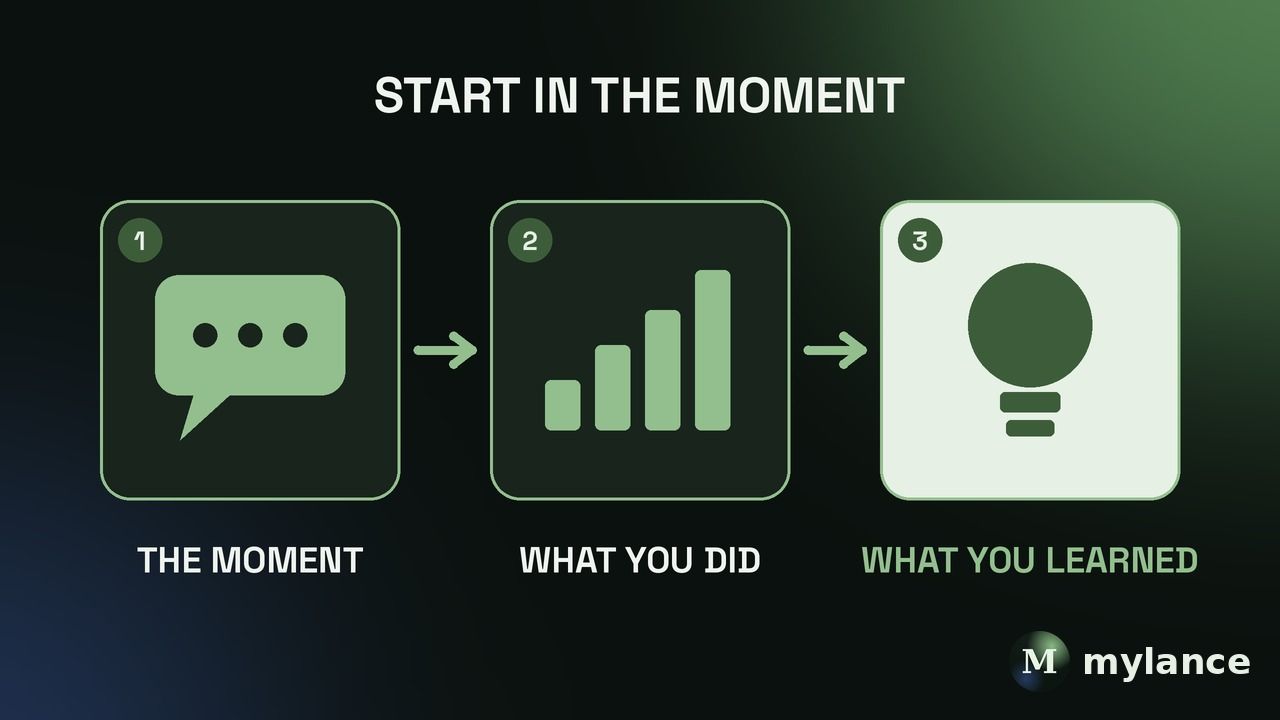
Start in the moment, not with the setup. Your first line should put the reader somewhere: a day, a decision, a number, a conversation. "Uber and Lyft launched in the same market on the same day" does more work than three sentences about how competitive ride share was. If you want more on openers, see how to write a LinkedIn hook.
Specific beats general every time. When there's an actual number in a post, it usually does better. A thousand of something is more interesting than a lot of something.
What should the middle of the story include?
The middle is what you actually did. Not what people should do, what you did. Walk through the decisions, the tactics, what went wrong, and what you tried next. This is where your expertise shows up, because the reader gets to watch you think.
A quick test: if a line could appear in anyone's post, cut it or replace it with a detail only you would know. "I help executive teams solve complex commercial challenges" tells me nothing. "Six months later, Uber had 90% of the market" tells me a lot.
How do I end a LinkedIn story post?
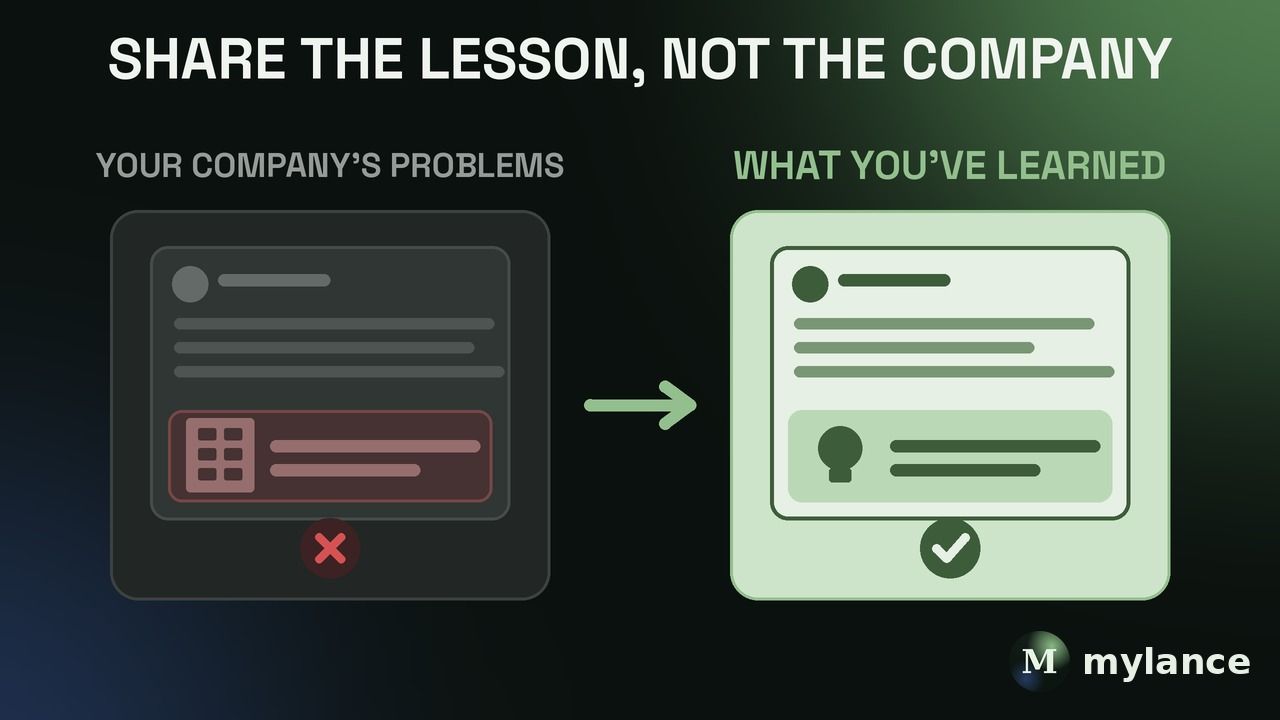
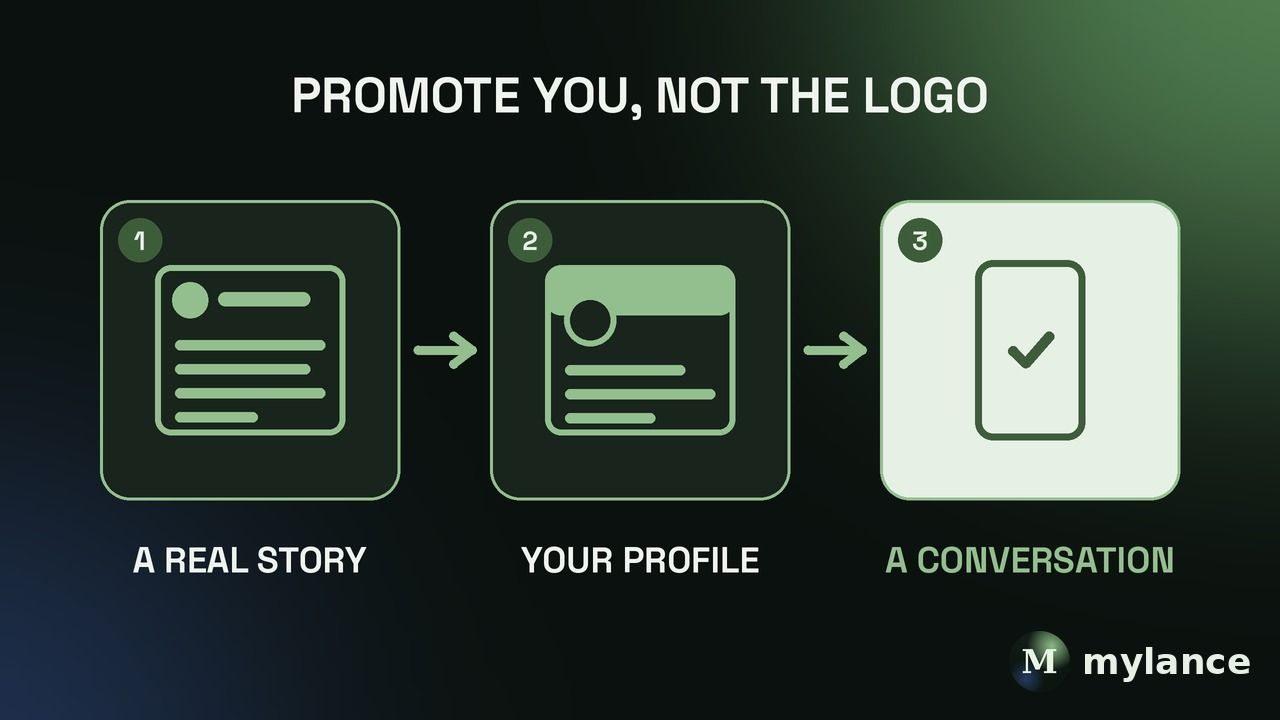
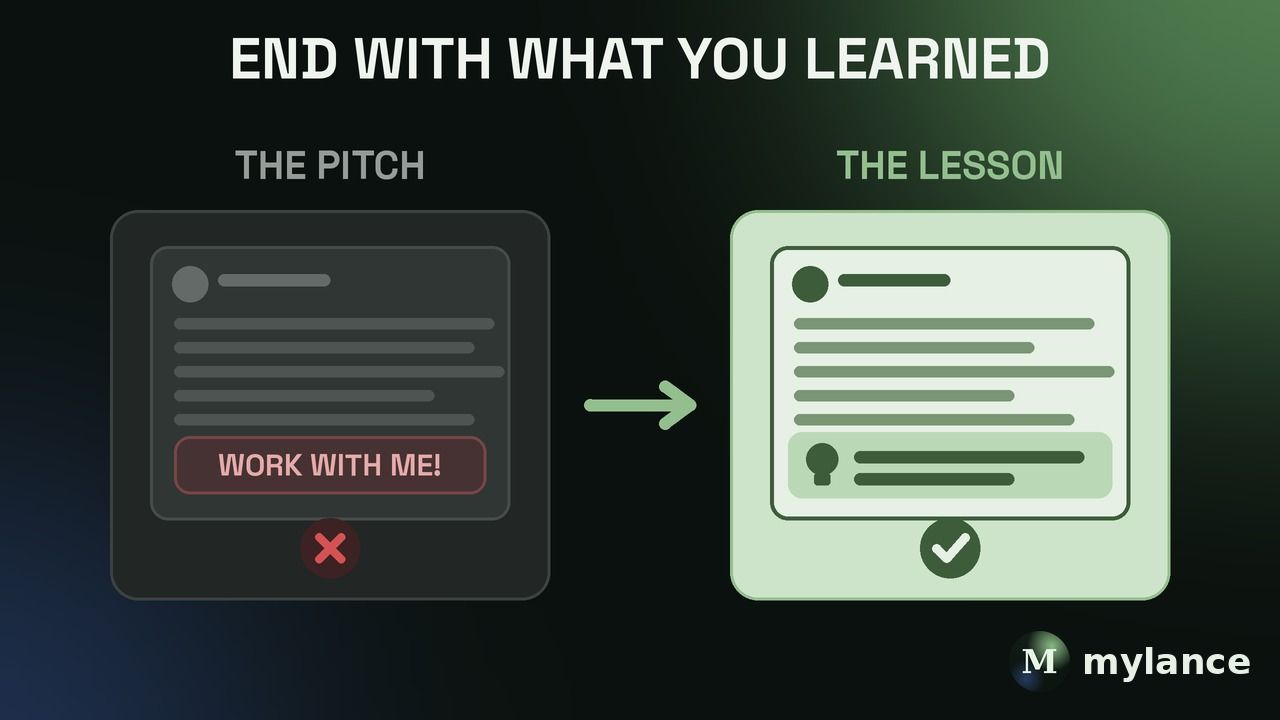
End with what it taught you. One or two lines, plain language, something the reader can use. You don't need a pitch, and honestly a pitch at the end of a good story kills it. I go deeper on this in how to end a LinkedIn post.
If you want a question at the end, make it one you actually want answered, not a generic "thoughts?" The lesson is the payoff. Let it land.
Can I share stories about mistakes and losses?
Yes, and you should. Losses and mistakes are beautiful to share. "We had this tough experience, here's what we learned from it" is some of the most relatable content on LinkedIn, because everyone reading has been there too. It also builds more trust than another win, since it shows you're honest about how the work really goes.
Keep it about the lesson, not the drama. You're not airing grievances or throwing a client under the bus. You're showing what you'd do differently, so the reader doesn't have to learn it the hard way.
How do I find stories to tell?
You already have them. Think about the wins, the mistakes, the feedback you got, the moment a client said something that stuck with you. If you get stuck, try what I ask people to do: talk for 20 minutes into a voice recorder about what's working and what isn't in your business. There are always three or four stories in there. More idea starters in how to come up with LinkedIn content.
When I'm helping someone find their stories, I tell them to talk to me as if we're in a coffee shop and they're just telling me about their business. People are so much clearer out loud than when they sit down to "write content." Then you clean up what you said, not the other way around.
Should every LinkedIn post be a story?
No. Mix in quick opinions, lessons, and the occasional personal post. But stories are the posts people remember, and they're the ones that make someone think this person has actually done this. If you post three times a week, one story a week is a great place to start.
And if a story is interesting, the right people will find it interesting and the wrong people won't. That's a good thing.
FAQ
How long should a LinkedIn story post be?
Long enough to tell the moment, what you did, and the lesson, and no longer. Many good story posts land somewhere around 150 to 300 words. See how long should a LinkedIn post be for more.
Is storytelling on LinkedIn cringe?
It's cringe when it's fake or over-dramatized. A real moment told plainly, with a useful lesson, isn't cringe. It's just you sharing what you've learned.
Can I use AI to help write my story posts?
AI can help shape and tighten a story, but it can't supply the moment. Start from your own words, like a voice note or call recording, and edit so it still sounds like you.
What is Mylance?
Mylance is a LinkedIn content system that turns your real expertise into posts that sound like you. You bring stories, call notes, and rough ideas. It helps you shape and schedule them, learns from your edits, and you stay in control of what goes out.
Bottom line
Start in the moment, say what you did, and end with what you learned. Use real details, share the losses too, and tell it like you would over coffee. That's a LinkedIn story.
Author: Bradley Jacobs. Published October 26, 2026. Updated October 26, 2026.