What to Post on LinkedIn as a Consultant (When You Have No Idea What to Say)
August 25, 2026 · Bradley Jacobs
Not sure what your three pillars are? Start here:
The honest answer is that you already know what to post. You just don't believe it counts.
Almost every founder I talk to describes the same block. Not "I have nothing to say." It's closer to "I don't know what to post that's going to resonate with the people I actually want to reach, and still sound like me." Those are different problems, and only one of them is about ideas.
I post on LinkedIn every single day, and I have for years. Here is what actually works, why the obvious approaches fail, and the specific way I decide what goes out.
The post that changed how I think about this
A few years ago I wrote a post that brought in 22 inbound leads. When I go back and look at why, it comes down to the first three lines:
Uber and Lyft both launched UberX in Raleigh on the same day. Fast forward six months, Uber had 90% market share in the area. Here's how we won.
I've since read those three lines to founders and asked what they think. The answer is always some version of the same thing: I want to know how Uber won 90% market share launching basically the same product on the same day as Lyft.
Here's the part that took me a while to understand. People aren't building trust with me because Uber won that market. They're building trust because I was there, and because the detail is checkable. It was specific, it had a real hook, it was a personal account, and it had detail nobody could have invented.
That's the whole formula, and it has nothing to do with having a big story.
Why "just be helpful" advice doesn't work
The standard advice is to post value. Share tips. Teach something.
The problem is that generic advice is now free and infinite. If you write a post about your industry that any competent person in your field could have written, you have produced something true, useful, and completely forgettable.
Watch what happens when the input is generic. Ask for a post about cardiovascular disease in women over 40 and you get generic. Ask for a post about the specific moment a patient's symptoms were dismissed for two years before anyone ran the right test, and you get something nobody else can publish.
The difference isn't effort. It's specificity. And nobody wants to take the extra few minutes to actually think about what they believe is happening here.
The three things worth posting about
When I build a content strategy with a customer, we don't start with topics. We start with positioning: who you help, what problem you solve for them, and how you're different. Then three content pillars, and every post ladders up to one of them.
That sounds abstract, so here is what it looks like in practice.
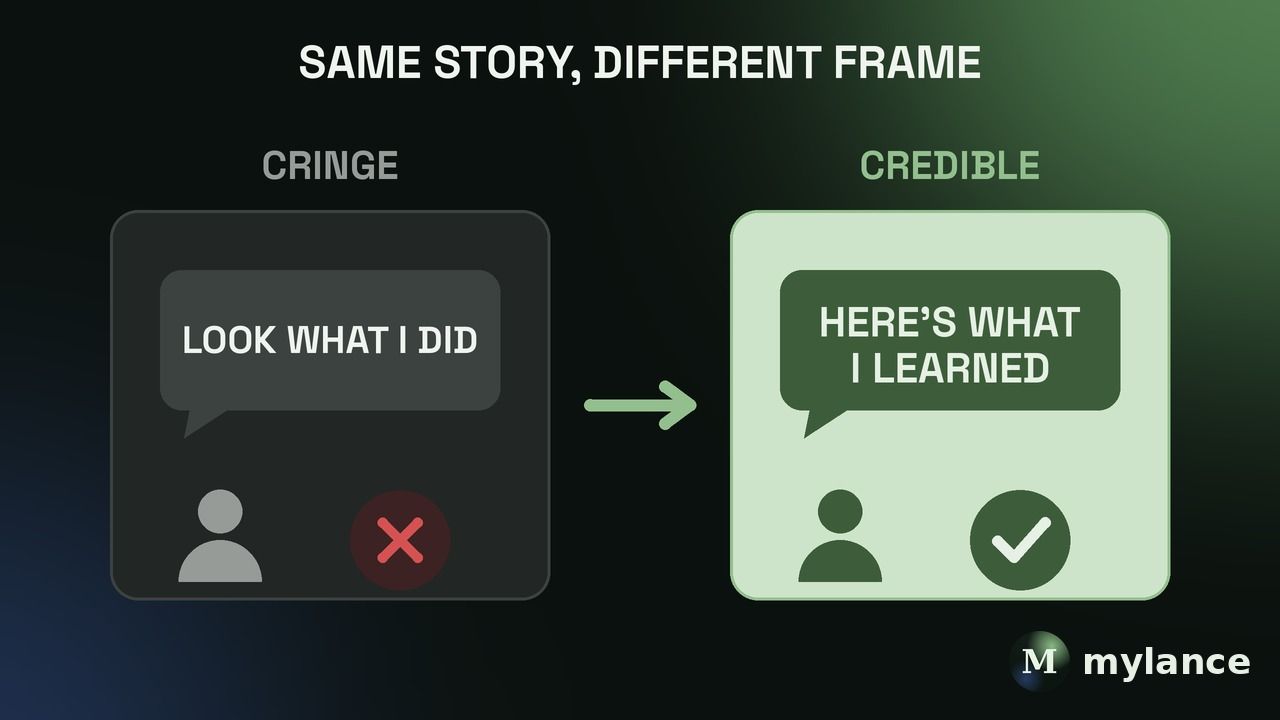
One: the things you learned by doing, not reading. The mistake you made. The launch that went sideways. The client conversation that changed how you price. Here's how you should think about this. Here's a common mistake. Here's a mistake I made. You can share your own experiences in a way that genuinely helps someone and legitimises you at the same time, without ever pitching.
Two: the opinion you have but haven't said out loud. Usually because you assume everyone already agrees, or because you're worried about who might read it. That second reason is the interesting one, and I'll come back to it.
Three: the specific moment. Not "here are five lessons on leadership." The Tuesday afternoon when the thing went wrong and what you did next. One of the prompts I use is: share a specific moment when you almost didn't post on LinkedIn because of imposter syndrome. Make it visceral and specific enough that another founder sees their own fear reflected back.
What makes you you isn't a positioning exercise
Nobody has had your specific set of experiences. Not a single person.
That sounds like a motivational poster, so let me make it concrete. Your unfair advantage on LinkedIn isn't that you're a better writer or a sharper thinker than the other people in your category. It's that you were in a specific room on a specific day and they weren't.
And the story doesn't need to be a win. Some of the posts that have done the most for me are the ones where I got something wrong. Firsthand experience that's specific builds trust whether it ends in a victory or not.
The real reason you're stuck
Here's what I've learned about the founders who tell me they don't know what to post.
Most of them know exactly what to post. They just don't want to hit publish.
I know because I do it too. When I work with my business coach, he asks obvious things. Did you make the LinkedIn post about the new feature? Did you email the list? And I catch myself saying no, and only in that moment do I realise I wasn't too busy. I was scared.
I sell a LinkedIn tool and sometimes I am still scared to post. I record an episode and think people are going to hate it. I have to talk myself off the ledge and confront the story that I don't have the value to add, or that people will think it's stupid.
A founder once wrote to me that posting felt disingenuous. That both he and the people reading would know it was just about getting his name out there and making sales. It felt hollow. Then he asked whether I'd forced my way through that feeling or whether I saw it differently.
I see it differently. What exactly is desperate about sharing your expertise? You can reframe the whole thing: keeping what you know to yourself is the selfish version. Somebody out there has the problem you solved three years ago and is still stuck in it.
What most of us are really doing is managing other people's perceptions of us. My LinkedIn is full of past coworkers, past managers, investors, people I respect. And so we suffer in the process, and we post nothing.
A practical way to decide, this week
Write down three things you learned the hard way. Not lessons. Events. The month the pipeline dried up. The client you lost and why. The hire that didn't work.
Pick the one you'd tell a friend over a drink. That's the one with the detail in it.
Write the first three lines the way you'd say them out loud. Specific noun, specific number, specific outcome. Not "I learned a lot about market entry."
Publish it before you have time to soften it. The version you write in ten minutes usually sounds more like you than the version you polish for an hour.
Then do it again in two days. The strategy matters less at the start than the reps do. You figure out what resonates by sharing and watching, not by planning.
What I'd do if I were you
Stop looking for topics. Start with what you already know that your buyer doesn't.
The method itself isn't complicated. What's hard is doing it on a Tuesday when you're busy, slightly scared, and staring at an empty box. That gap is why we built Mylance: it starts from your positioning and your own material, then hands you a prompt pointed at your actual experience instead of a blank page, so the decision each morning is which story to tell rather than whether to post at all.
The bar isn't "is this brilliant." The bar is "could anyone else have written this." If the answer is yes, go one level more specific.
Keep reading: How to Build Authority on LinkedIn as a Founder
Frequently asked questions
What should I post on LinkedIn if I'm not an expert yet?
Post what you're learning, in real time and in specifics. "Here's what I tried this month and what happened" is more readable than a summary of best practices, and it builds trust faster because it's checkable. The bar is firsthand experience, not authority.
How specific is specific enough?
If a competitor in your field could have written the same post, it isn't specific enough yet. Add the number, the date, the name of the thing, the actual outcome. "We grew fast" is nothing. "Uber had 90% market share in six months, here's how" is a post.
What do I post if my work is confidential?
Change the identifying details and keep the mechanics. The lesson lives in what happened and what you did, not in the client's name. You can be specific about the problem and vague about the logo.
How often should I post as a founder?
Often enough that it becomes a habit rather than an event. I post daily, but the important variable early on is consistency, not volume. Three a week you sustain beats five a week you abandon.
What if nobody engages with my posts?
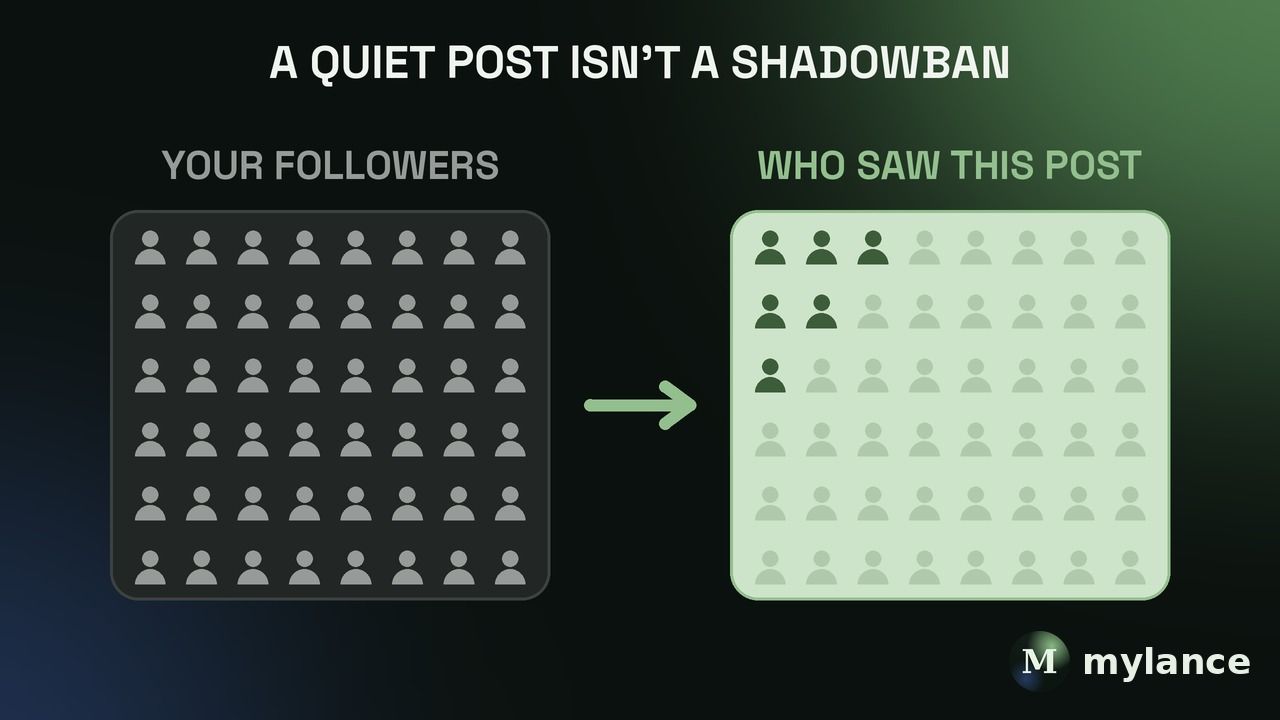
Engagement is a weak proxy. The payoff usually shows up in conversation, when someone opens a call by saying they've been reading your stuff. Plenty of high-value posts get few likes. Judge on whether the right people mention it, not on the counter.