The Future of Business Development for Your Business in an AI-Dominated World
February 19, 2025 · Bradley Jacobs

Get your free LinkedIn positioning in 60 seconds — drop your handle:
When you're running a business, finding the right balance between scale and personal touch is crucial. The landscape is rapidly evolving with AI tools becoming more accessible and powerful every day. But this creates both opportunities and challenges for founders looking to grow their practice.
Understanding Today's Business Development Reality
Let's start with what we know works: referrals. When a previous client moves to a new company or starts their own venture, bringing you on is seamless. There's no need for lengthy interviews or extensive vetting processes. The trust is already established through shared experience and proven results.
However, building a sustainable business solely on referrals isn't realistic. Your network, while valuable, is inherently limited. This creates a challenge: how do you scale your business development efforts without losing the trust factor that makes referrals so effective?
The AI Automation Dilemma
The current reality of business development has created an interesting problem. With AI tools becoming more accessible and affordable, decision-makers are getting overwhelmed with automated outreach. Your potential clients' inboxes are flooded with messages asking for "just five minutes of your time" or offering to "revolutionize your business processes."
I've noticed a clear trend: these generic outreach attempts are becoming increasingly ineffective. Even well-crafted automated messages are getting lost in the noise. Many executives, myself included, have developed an automatic delete response to anything that sounds AI-generated.
Creating Content That Actually Matters
Here's where we can learn something valuable about authenticity in content creation. Consider two different approaches to creating a blog article about AI in business development:
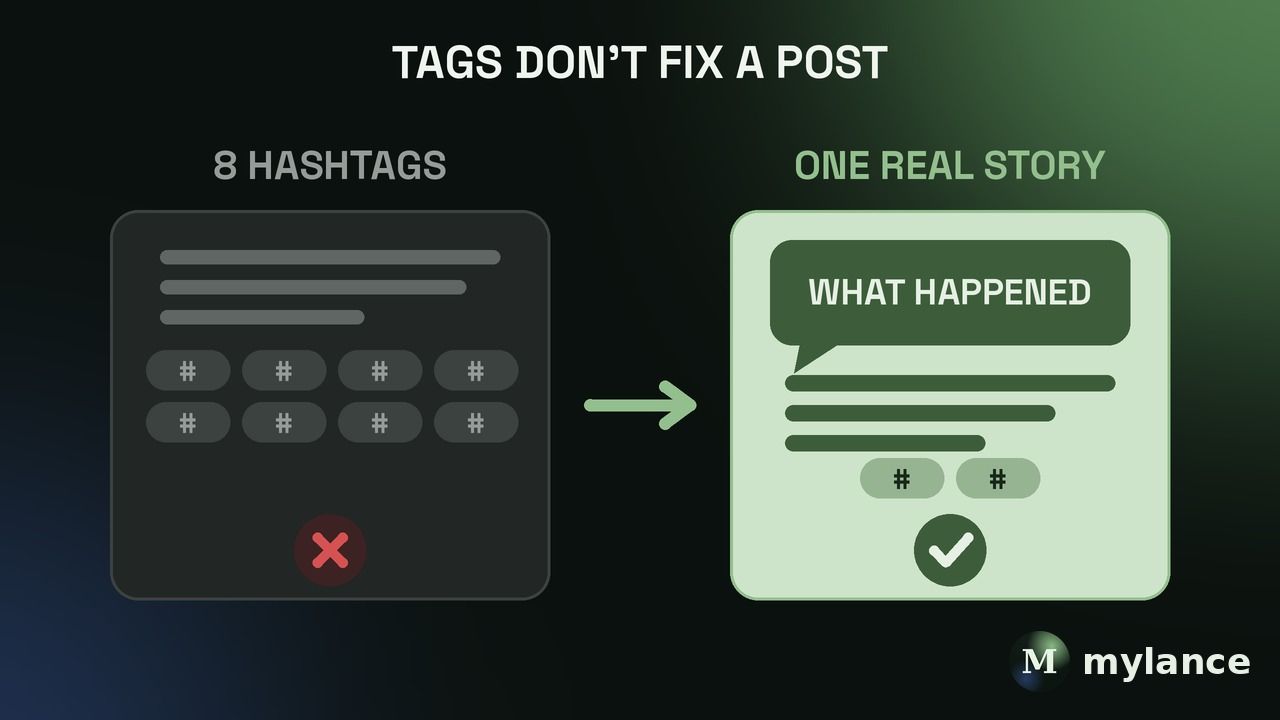
In the first approach, you simply ask AI to generate the content. While the result might be well-written, it's inherently generic, a compilation of information already available online. There's no unique value add, and readers won't view you as a thought leader.
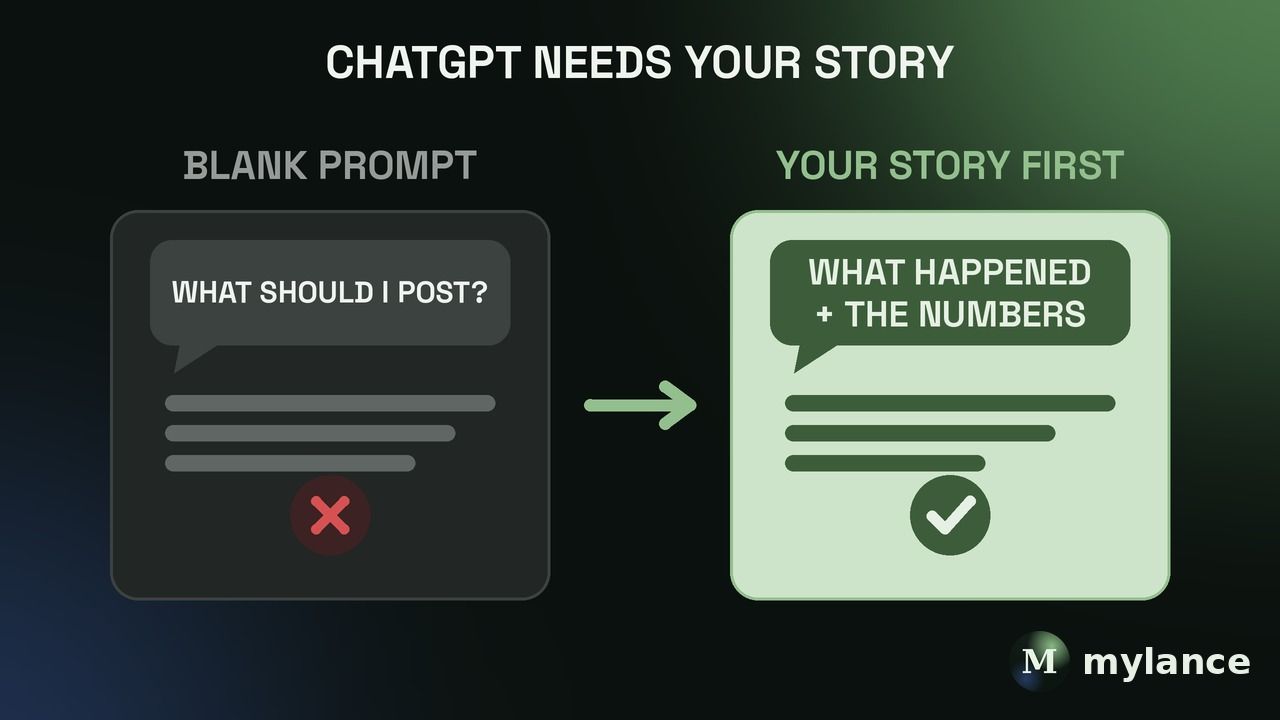
The second approach starts with your original thinking, based on real experiences and conversations with clients. You then use AI to help structure and distribute this content. The difference is dramatic, you're sharing genuine insights that can't be replicated because they come from your unique experience.
Finding Your Specific Expertise
As the market becomes more crowded, being specific about your expertise becomes crucial. Let me share a concrete example: Instead of positioning yourself as a general marketer saying "I can help grow your business," you might specialize in using AI tools to generate high-ranking blog content for specific industries in 2025.
This level of specificity helps you stand out. You're still helping companies with marketing and awareness, but you've narrowed your focus to a specific area where you truly excel. This creates a completely different market position than being a generic marketing consultant.
The Power of Automation: A Real-World Example
Let me share how I've implemented this in my own business. When I record a podcast, it triggers a series of automated actions that maximize the content's impact. Here's the specific workflow:
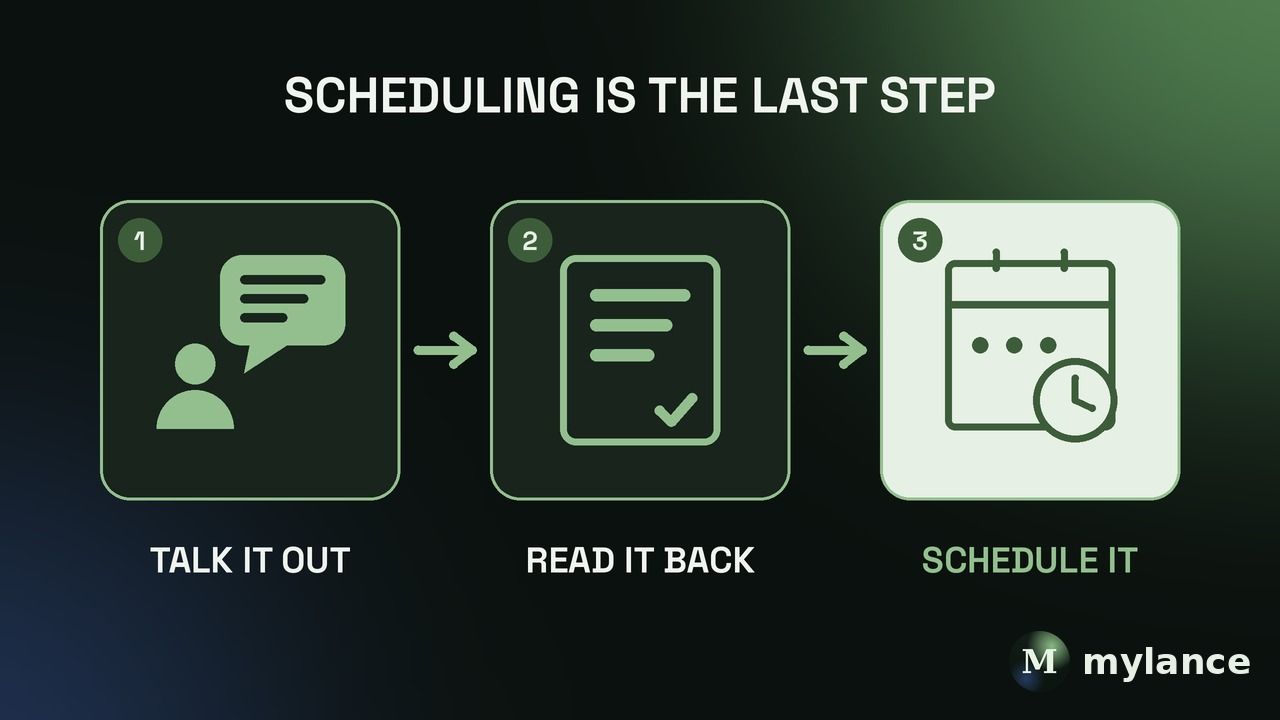
First, the podcast recording goes into a designated Google folder. This single action triggers about twelve different automated processes through Zapier and Airtable. The content gets transformed into various formats: a detailed blog post, a newsletter, LinkedIn updates, tweets, and video clips for different platforms.
We use a combination of AI and human oversight to maintain quality. For example, when a draft is ready, it goes into Airtable for review. Once I change a cell from "no" to "yes" indicating approval, another set of automated actions begin, handling distribution across various platforms.
Creating Your Own Automation System
You can implement a similar system in your business. Start by listing every recurring task in your workflow. Look for opportunities where automation could save time without sacrificing quality. Here's a practical approach:
First, identify tasks that don't directly contribute to revenue but take up your time. This might include creating new Google folders, drafting basic documents, or managing team communications. These are prime candidates for automation.
Next, look at your content creation process. Could you set up a system where one piece of original content automatically spawns multiple formats? The key is maintaining your authentic voice while letting automation handle the distribution and formatting.
Using AI for Strategic Improvement
AI can be particularly valuable for getting objective feedback about your business approach. Try this exercise: Download your LinkedIn profile and ask AI to analyze it for effectiveness. While this won't replace professional coaching, it can provide valuable insights about your positioning and messaging.
You can also use AI for brainstorming and strategy development. When I'm working on new initiatives, I often use ChatGPT to explore different angles and possibilities. While I might discard many suggestions, the process often reveals interesting directions I hadn't considered.
Practical Implementation Steps
Let's break this down into actionable steps you can take today:
Start by auditing your current workflows. Look for repetitive tasks that could be automated. This might include invoice generation, email responses, calendar management, or document creation. Document these processes in detail.
Next, explore tools like Zapier or Make (formerly Integromat) to create automated workflows. You might start with something simple, like automatically saving attachments from emails to a specific folder, then gradually build more complex systems.
For content creation, establish a regular schedule for capturing your authentic insights. This could be weekly recordings of your thoughts on industry developments or documentation of client case studies. Use AI to help transform these insights into various content formats while maintaining your unique perspective.
The Future of Business Development
The key to success in this evolving landscape is finding the right balance between automation and authenticity. Use technology to handle routine tasks and amplify your reach, but never at the expense of genuine connection and original insight.
Remember that as AI tools become more widespread, your authentic expertise becomes more valuable, not less. The future belongs to those who can combine efficient systems with genuine relationships and real problem-solving capabilities.
Focus on creating systems that free up your time for high-value activities. Let automation handle the routine work while you focus on building relationships, solving complex problems, and delivering real value to your clients. This combination of efficiency and authenticity is what will set you apart in an increasingly automated world.
Keep reading: What a LinkedIn Ghostwriter Costs (and the Alternatives)
Mylance
Your LinkedIn should be working for you, attracting clients, building credibility, and compounding with every post. Mylance makes that happen.See how it works →