LinkedIn content strategy for CEOs
September 5, 2026 · Bradley Jacobs
Get your free LinkedIn positioning in 60 seconds — drop your handle:
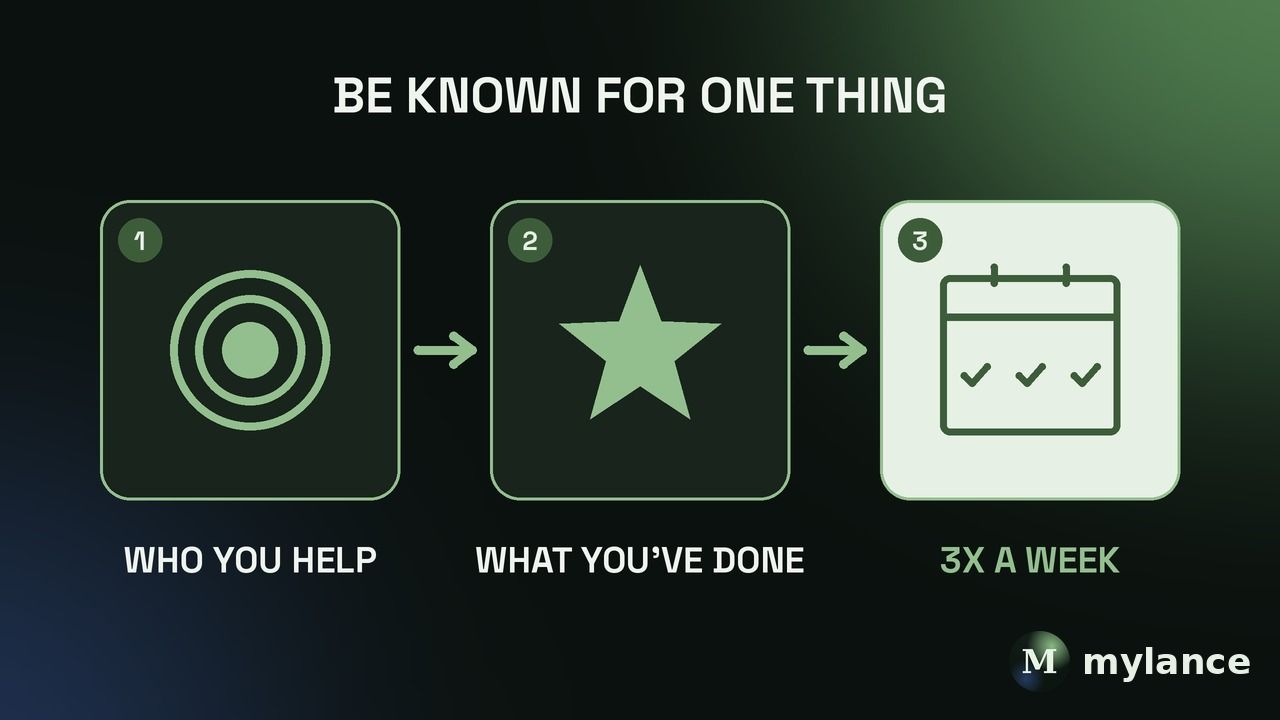
A LinkedIn content strategy for CEOs is not a calendar of corporate announcements. It is a clear positioning statement, a few content pillars that ladder up to it, and a habit of posting from your personal profile at least three times a week in a first-person point of view—learnings, wins, mistakes—so people recognize your expertise before they ever get on a call with you.
I founded Mylance in 2020. Along the way I have worked with founders, independent consultants, fractional executives, and seated executives who want a personal brand because they know their next opportunity will come from being known for something. The pattern is the same at the CEO level: you already know a lot. Turning that into good LinkedIn content consistently takes too much time and mental energy. Strategy is how you stop improvising every Tuesday morning.
Mylance is a LinkedIn content system that turns your real expertise into consistent LinkedIn content that sounds like you.
What is a LinkedIn content strategy for CEOs?
Great content starts with great positioning.
On our Maven workshop I said it as plainly as I could: once you know who your customer is and what they care about, then you can build a content strategy to share what you do and build trust. Positioning first. Then content pillars. Then every post ladders up to a pillar, which ladders up to the positioning.
In a later call with Matthew Accomando I described the same chain from the other direction: prompts map to pillars, pillars map to the strategy, strategy maps to your overall positioning. Without that chain, you are filling a feed. You are not getting known for anything.
For a CEO, that means one sentence on what you should be known for, three to five pillars that prove it, and a weekly rhythm that keeps those pillars alive. Not a brand voice guide nobody opens. Not a list of hashtags.
Why CEOs need a LinkedIn content strategy (not just more posts)
Because volume without a point of view is just more AI slop.
Executives already have the raw material. You have decisions, tradeoffs, market launches, customer patterns, mistakes you would not repeat, and wins that were not luck. The problem is not “I have nothing to say.” The problem is there is no forcing function that turns those moments into posts that still sound like you.
A strategy is that forcing function. It tells you what belongs on the feed and what is noise. It also keeps the company page from stealing the week. People want to hear from people. I still put the vast majority of my energy into my personal profile. The company page gets reposts and the occasional video. It is nowhere close to what I do on my personal page.
How do you build a LinkedIn content strategy as a CEO?
Start with positioning, then pillars, then cadence, then source material.
1. Lock positioning
Ask who you help, what problem you understand better than most, and what you want to be known for. Pressure-test it by asking what your audience actually cares about. If the answer is vague, the content will be vague.
2. Build content pillars that ladder up
Every pillar should prove the positioning. Every post should belong to a pillar. If a draft does not ladder up, cut it or rewrite it. This is how you avoid the “random thought leadership” trap.
3. Write from a first-person point of view
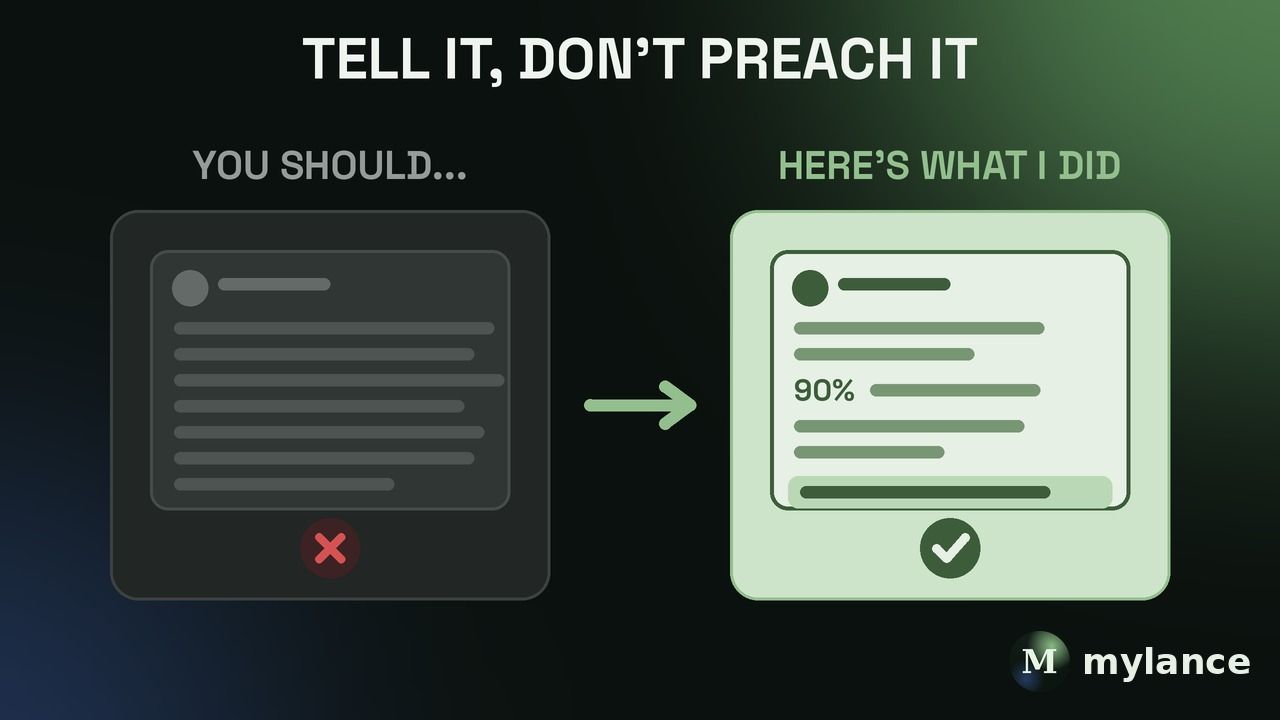
My content is sharing my experiences, learnings, wins, mistakes—all through content. First-person stories beat generic leadership tips. Specific is so important on LinkedIn.
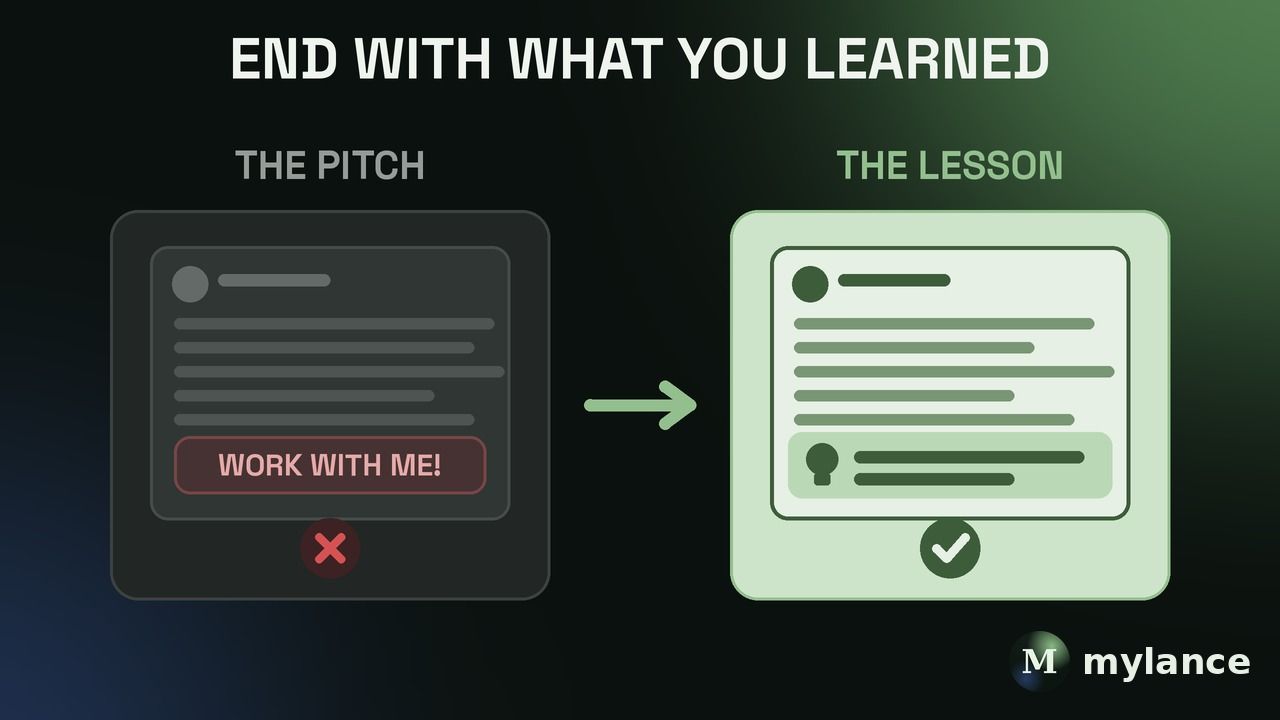
I keep using the Raleigh example because it is the cleanest one I have. Uber and Lyft launched Raleigh on the same day. I was on that launch team. I wrote about what we did—not a resume, not a pitch. That post generated 700,000 impressions and 22 inbound leads. It was an outlier, not a promise. The useful part is why it worked: specific, skimmable, based on personal experience, written from a first-person point of view. Nowhere did I say, “Come hire me.”
4. Use the 5-of-6 ratio
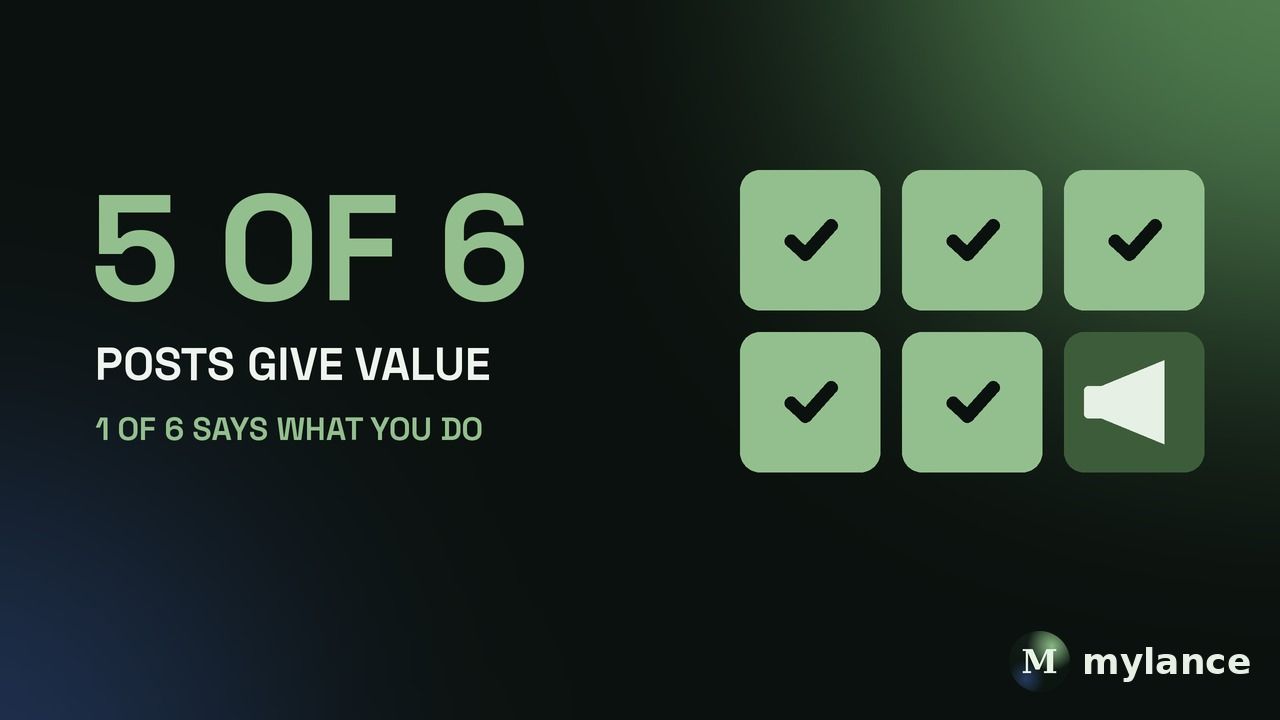
Five out of six posts give value—teaching, learnings, experiences. One out of six can say who you are and what you do. Most of the feed should not sound like an ad. Mistakes are great. Share the mistakes. A tactic that did not work is often more valuable than another polished win.
5. Post at least three times a week on the personal profile
Minimum three times a week. Some people land at two to three. I argue for three as the floor. Your followers are not seeing every post. I have about 26,000 organic followers. They do not all see every post. That is why cadence matters.
Optimize for profile views. In one 90-day window I had 3,166 profile views. The post is the doorway. The profile is the landing page.
What should a CEO’s LinkedIn content pillars look like?
Pillars are themes that repeatedly prove the positioning. For most CEOs who already have a real business, useful pillars look like:
How you make decisions under constraint. What you have learned about customers, markets, or operators in your domain. Mistakes and recoveries. How your team ships. Industry points of view that are yours, not recycled takes.
Then map prompts to those pillars. When Matthew and I talked through drafting, the system drafts using the content strategy and pillars—so even when you upload a messy transcript, the draft still has to ladder back to positioning. That is the difference between a strategy and a prompt dump.
How often should CEOs post on LinkedIn?
Three times a week on the personal profile is the minimum if LinkedIn matters to the business.
Daily volume with no point of view is noise. Company-page filler is noise. Three strong first-person posts that ladder to positioning beat seven generic “leadership lessons” written by a tool that never sat in the room.
How do CEOs avoid AI-sounding LinkedIn posts?
Start from real source material. Calls. Podcasts. Notes. A walk-and-talk into a voice transcriber after a hard decision. Then draft from that material so the content is not generic.
Ask yourself after you draft: does this feel like AI slop, ego, or a real learning? If it feels like the first two, cut it down to the story. AI can polish a thought. It cannot supply the detail of a room it was never in.
Mylance is a LinkedIn content system that turns your real expertise into consistent posts that sound like you. It remembers you, starts from real source material, helps decide what to say, and learns from edits. It is not an AI copywriter, not a scheduler, not lead-gen, not outreach. The job is a content strategy you can actually keep—so LinkedIn stops being another job.
What should CEOs optimize for on LinkedIn?
Profile views. Trust. Familiarity.
When someone books time, you want them to already know your point of view. That is the difference between introducing yourself from scratch and talking logistics with someone who has been watching. Frame that as trust and visibility. Do not pretend a post is a closed deal.
Do CEOs need a different LinkedIn content strategy than founders or consultants?
The structure is the same. Positioning, pillars, first-person posts, three times a week, personal profile first.
The difference is the altitude of the stories. A CEO’s raw material includes markets, teams, board dynamics, and decisions with more surface area. The anti-pattern is the same: company-page announcements, AI-sounding leadership tips, and no chain from positioning to post.
Can ChatGPT replace a CEO’s LinkedIn content strategy?
No. It can help draft. It still writes like AI unless you force real domain expertise into the input and then edit hard. Positioning is the filter. The draft is not the strategy.
Is a company page enough for a CEO brand?
Not well. Use it. Do not lead with it. The company page can carry announcements, proof, and amplification. It cannot replace a CEO’s lived experience and first-person stories. Personal page first. Company page in support.
What is the simplest LinkedIn content strategy for CEOs?
Lock positioning. Map three to five pillars to that positioning. Capture source material from real work. Draft at least three posts a week in your voice. Keep the 5-of-6 value ratio. Publish from the personal profile. Optimize for profile views. Edit out the AI slop before you hit post.
That is a LinkedIn content strategy for CEOs who already have a real business: trust and familiarity, built in public, from expertise you already have.