Mindset
"Nobody Cares About You": What Mark Samuel Learned From Building, Failing, and Starting Over
June 10, 2026 · Bradley Jacobs
Get your free LinkedIn positioning in 60 seconds — drop your handle:
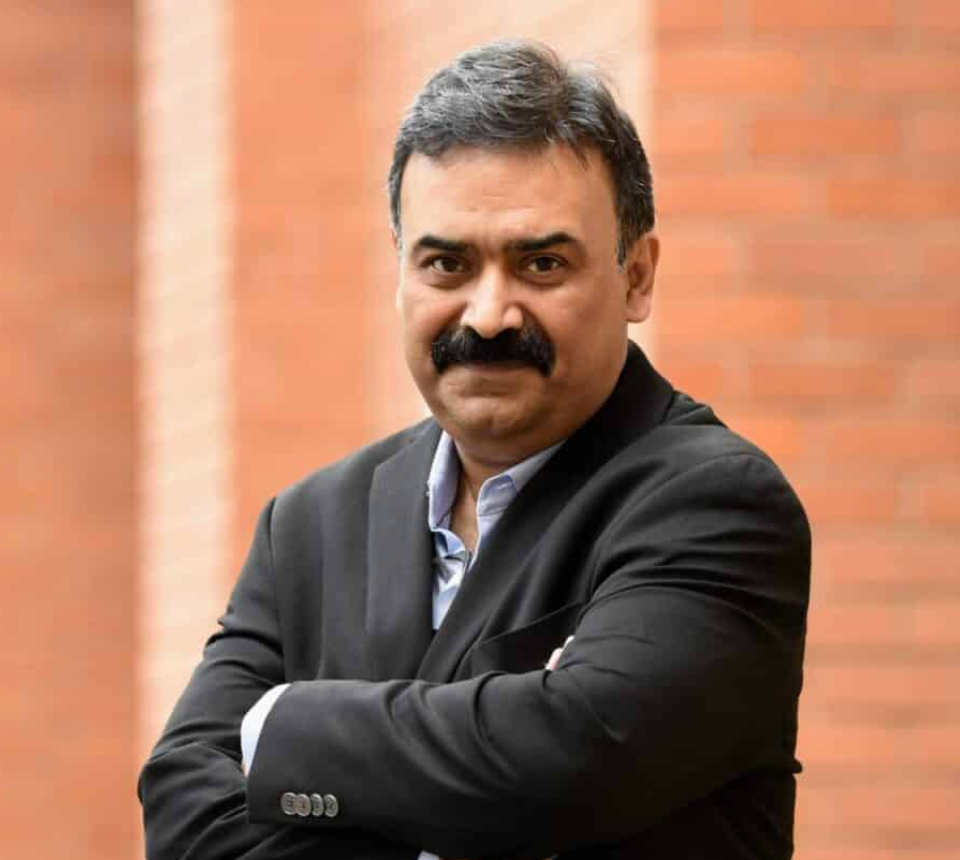
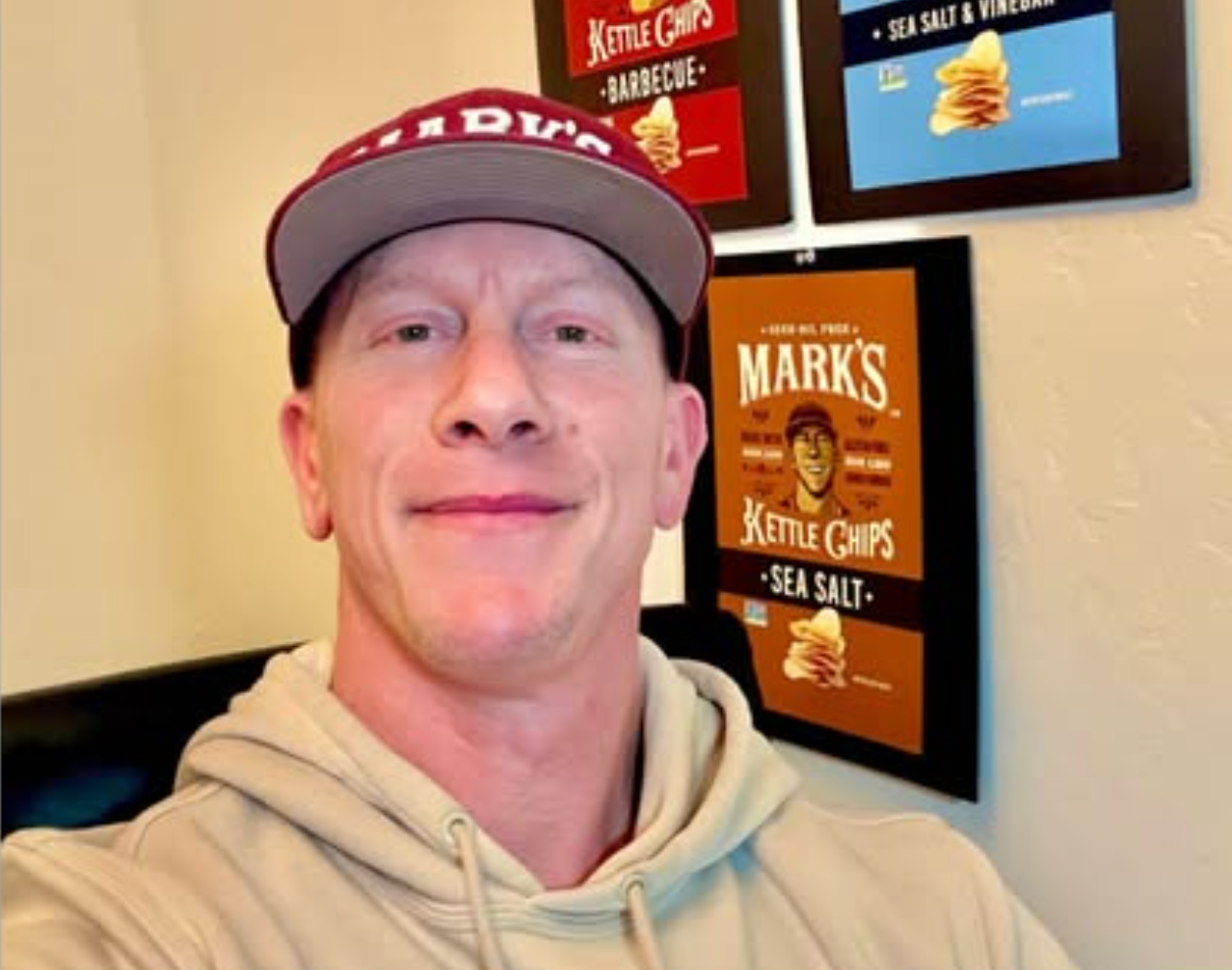
A detailed account of Mark Samuel's appearance on Founder Unfiltered. Mark is a serial entrepreneur with over 20 years of experience scaling consumer brands. He built Iwon Organics into 4,000+ retail doors before licensing the brand, and today he's building Marx - a better-for-you kettle chip company - and hosting the Let's Eat podcast, where he's interviewed more than 250 CPG founders and operators.
What follows isn't a CPG masterclass. It's a brutally honest walk through the part of entrepreneurship most people refuse to talk about - staying in something too long, telling yourself the story you want to hear, and what it actually takes to start over without flinching.
If you're a fractional executive, consultant, or founder reading this, the lessons translate cleanly. The product is different. The trap is the same.
Doors Are Vanity. Velocity Is Reality.
Iwon Organics ended up in over 4,000 retail stores. By any normal yardstick, that's a win. Mark sees it differently.
"Where you're selling and how much you're selling is not necessarily the benchmark," he explained. "It's fairly easy to get yourself into a store. So long as you had the runway - capital - to get yourself there, and you're not a dumb shit."
The hard metric isn't doors. It's how much you're moving once you're in the door. Velocity. Turns. Whether the customer actually comes back.
The same logic applies to a consulting practice. Closing a logo isn't the win. Renewing the contract, expanding the scope, getting referred - that's the win. Plenty of consultants brag about big-name clients on their LinkedIn banner while quietly watching their pipeline dry up between engagements. Doors aren't the business. Repeat purchase is the business.
Founders Are Naive on Purpose
Mark didn't dance around why he stayed too long with Iwon. He said founders have one asset working both for and against them: wild naivety.
"You continue to sell yourself on why you might not have that many turns in a particular door. You try to make adjustments. New packaging. Digital advertising. There's always something."
That's the trap. The story you tell yourself about why the next tweak will fix the math is the same story that keeps you locked in a business - or a service offer - that the market is quietly rejecting.
The signal is in the data. Not your mom's opinion. Not your friends'. Not your investor's polite encouragement. The actual transaction data from the actual people who are supposed to want what you're selling.
If you're a consultant, your version of this is the prospect who keeps saying "this looks great, let me circle back next quarter." Or the client who scopes you down every renewal. Those are the doors with no turns. Read the data.
"Keep Going" Is the Most Misused Phrase in Entrepreneurship
Here's where Mark threw a grenade into the standard founder narrative. When I floated the idea that winners are the ones who don't quit, he wasn't having it.
"I don't believe that shit. If something is not working, you've got to know when to move on. That's what I mean - don't be an idiot."
His reframe is sharper than the cliché. "Keep going" doesn't mean keep pushing the same broken thing. It means keep your feet moving. Switch lanes. Run a different race on the same track. Don't stop competing - stop insisting that this specific bet is the one.
For fractional executives, that translates to: if the offer isn't landing, the niche isn't right, or the positioning isn't pulling in fit clients - adjust. Aggressively. The discipline isn't loyalty to a bad bet. The discipline is showing up tomorrow with a sharper one.
Nobody Cares. And That's the Best News You'll Get Today.
This was the line that hit hardest in the conversation, and it deserves its own section.
"Nobody cares about you. You lost a business. You failed at something. Your marriage didn't work. Nobody gives a fuck. They're not thinking about you. They're thinking about their own fucking problems."
That sounds harsh. It's actually liberation.
Most consultants don't pivot, don't raise their rates, don't fire the bad-fit client, don't post the contrarian take, because they're convinced everyone is watching and judging. Nobody is. The audience you're terrified of disappointing is busy disappointing themselves.
The freedom to start over - to shut down the offer, to drop the niche, to rebrand entirely - is fully available the moment you accept that no one is keeping score except you.
Build the business you actually want to build. The market will tell you whether it works. The peanut gallery isn't even paying attention.
The Order: Health. Family. Work. In That Order.
When the conversation turned to how Mark sustains a 20-year founder run, he didn't reach for productivity hacks. He laid out a hierarchy.
Health. Family. Work. In that order.
"If I am not at my healthiest, both physically and mentally, I cannot do those other tasks. I cannot manage my household and I definitely cannot manage a business."
No meetings before 10 a.m. Pacific. Workout is non-negotiable. Nutrition is non-negotiable. It's been that way for 25 years.
Most founders - most consultants - get this exactly backwards. Work first, family in the gaps, health whenever they can squeeze it in. Then they wonder why their judgment goes sideways at month six and they're making strategy decisions on four hours of sleep and gas station coffee.
If you run a solo or fractional practice, you're the asset. The asset needs maintenance. Skip that and the rest of the operation degrades - slowly at first, then all at once.
The Reframe on Resilience
Here's the part that surprised me. I asked Mark how he handles the pressure of being a founder. His answer:
"I don't feel any pressure. I just felt comfortable being uncomfortable."
Resilience, in his telling, isn't something you generate through willpower. It's a byproduct of three things: finding work you enjoy, finding work that has purpose, and finding work where you actually like the people you're doing it with. Get those three in the box and resilience shows up on its own.
If you're white-knuckling your way through your consulting business, that's a signal, not a virtue. Something in the box is wrong. Find it.
The Takeaway
Mark's story arc - scaling Iwon to thousands of doors, licensing it instead of exiting on his terms, going dark, and coming back swinging with Marx - is the version of entrepreneurship that doesn't trend on LinkedIn. But it's the real one.
A few things to take with you:
- Doors don't matter. Turns do. Whether you're selling chips or strategy, vanity metrics will bankrupt you slowly.
- Founders are naive on purpose. Read the data anyway. Stop selling yourself the story. Look at what's actually happening.
- "Keep going" means keep moving. Not keep pushing the same broken thing. Switching lanes isn't quitting. It's how you stay in the race.
- Nobody is watching. Build accordingly. The fear of being judged is a tax you're paying for no reason.
- Health, family, work. In that order. You're the engine. Maintain it or pay later.
If you're a fractional executive or consultant trying to build something that actually compounds - a clear position, a pipeline that fills itself, clients who stick around and refer - the same logic applies. You don't need to keep doing the same things harder. You need to be honest about what's working and ruthless about what isn't.
If you want help getting clear on the positioning that pulls in the right clients, book a free LinkedIn positioning session at mylance.co. We'll look at your current setup, the data you might be ignoring, and what to change to fill your pipeline with the clients you actually want.
You can find Mark on LinkedIn, and you can grab a bag of Marx on Amazon.
The doors aren't the business. The turns are.
Mylance
Your LinkedIn should be working for you, attracting clients, building credibility, and compounding with every post. Mylance makes that happen. See how it works →